
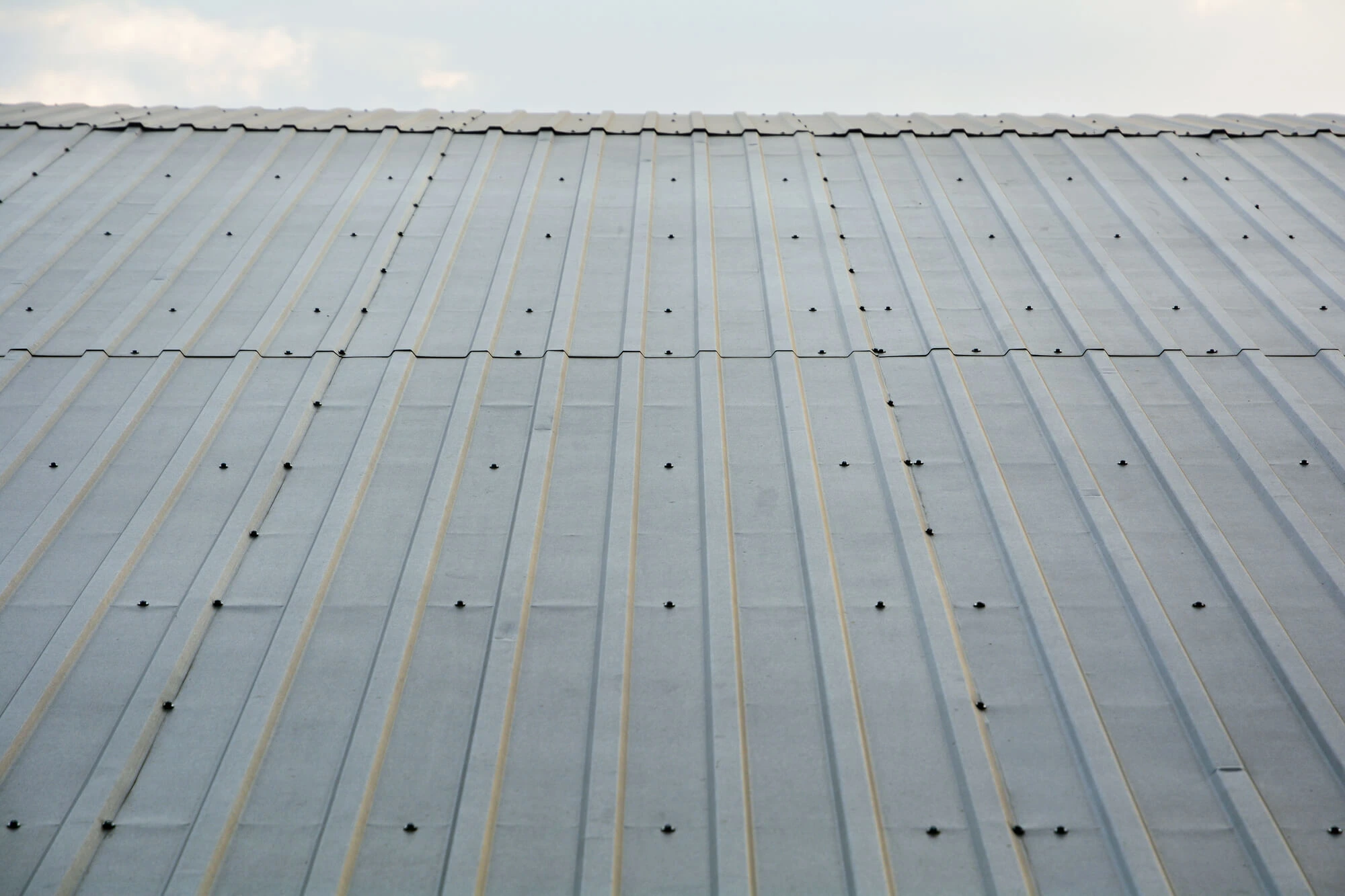
Commercial roofing for manufacturing plants, production facilities, and industrial buildings.
Spirit AeroSystems, one of the world's largest independent aerostructures manufacturers, operates a sprawling production campus in Wichita that covers millions of square feet under a single roofing envelope. Facilities of that scale present challenges that are fundamentally different from ordinary commercial roofing projects, and the contractors who service aerospace manufacturing in Wichita have developed highly specialized protocols to meet them. When your plant roof is failing, the consequences reach far beyond a water stain on the floor,they touch production schedules, regulatory audits, and the safety of precision components worth far more than the building itself.
Manufacturing roofs in Wichita's aerospace corridor contend with an extraordinary array of mechanical and chemical stressors. Spirit AeroSystems and neighboring suppliers like Ducommun and Triumph Aerostructures release metalworking lubricants, composite cure off-gassing, and solvent vapors that migrate upward and attack roofing membranes from the interior side. Standard TPO and EPDM formulations can degrade noticeably faster in environments saturated with these compounds. Wichita-experienced contractors specify membranes with enhanced chemical resistance ratings and seal all penetrations with compatible mastics rather than generic caulk, closing the pathway for vapors that would otherwise undercut adhesion over time.
Vibration is a constant in aerostructures manufacturing. Riveting stations, large CNC machining centers, and fuselage assembly jigs generate low-frequency oscillation that transmits into structural steel and ultimately into roof decking. Over years, this cyclic movement works mechanical fasteners loose and opens micro-cracks in field seams. The remedy is a combination of induction-welded fastening patterns that distribute stress across a larger area and fluid-applied reinforcing layers over steel deck joints. Contractors performing condition assessments on Wichita manufacturing roofs use infrared thermography as a baseline, but experienced crews also walk the decking by hand, feeling for the telltale drum of delaminated insulation that thermography alone can miss in Wichita's low-humidity winter air.
Skylights and smoke-relief hatches are particularly dense in aerostructures facilities because the assembly of large fuselage sections demands controlled daylighting across wide bays. Each skylight curb is a potential water entry point, and each smoke hatch represents a large penetration that must remain operable under NFPA requirements. Wichita contractors who work regularly in aerospace plants understand that smoke hatch integrity cannot be compromised during roofing operations,replacement curb systems must be installed and tested before any hatch is declared back in service. Coordination with the facility's fire suppression and life-safety teams is not optional; it is a permit condition.
Kansas weather adds its own complexity. Wichita sits in a corridor where severe convective storms can develop rapidly, and a roof left open overnight by a crew that underestimated afternoon thunderstorm timing can cause catastrophic damage to in-process aircraft components. Professional contractors working in this market use real-time National Weather Service API feeds and have pre-staged tarpaulin systems ready to deploy within minutes. Contract language typically specifies the meteorological triggers that require work stoppage and temporary protection, removing ambiguity from the decision.
Insulation upgrades are increasingly part of Wichita manufacturing roof projects as plant operators seek to reduce the significant heating loads that Wichita winters impose on large, high-bay spaces. Polyisocyanurate at R-30 or higher, installed in two staggered layers to eliminate thermal bridging at joints, delivers meaningful reductions in natural gas consumption for facilities that may operate overhead unit heaters rated in the millions of BTUs. The payback period on insulation upgrades in large Wichita manufacturing plants is often under eight years, making the conversation with facility managers straightforward when documented with actual utility data.
Warranty structures on manufacturing facility roofs in Wichita typically run twenty years for membrane and fifteen years for the total system including labor, with enhanced provisions for chemical exposure environments. Manufacturers like Carlisle, Sika Sarnafil, and Johns Manville each offer aerospace-industry versions of their standard warranties that acknowledge the elevated chemical and mechanical exposure conditions. Obtaining these warranties requires that the installing contractor hold the manufacturer's authorized applicator certification and that the completed roof pass a post-installation flood test or electronic leak detection scan documented in writing.
Preventive maintenance programs are the backbone of long-term roof performance in Wichita's aerospace sector. Semi-annual inspections,one in spring after hail season and one in late fall before freeze-thaw cycling begins,catch the minor seam lifts, clogged drains, and curb flashing separations that become expensive failures if ignored through a production crunch. Contractors who understand the Boeing and Spirit supply chain culture in Wichita know that access requests must be submitted weeks in advance through formal work-order systems, and they maintain standing maintenance agreements that pre-authorize routine access rather than requiring new paperwork for every inspection visit.
Roof questions this work should answer
Where is the roof vulnerable?
Drainage, seams, curbs, edge metal, penetrations, traffic paths, and prior repairs should be clear enough to guide the next step.
What has to happen first?
Active water entry, tenant protection, safe access, and storm documentation are handled before long-range pricing is finalized.
How should ownership compare options?
Repair, coating, recover, and replacement choices should be compared against roof age, wet insulation, building use, and the cost of future disruption.