
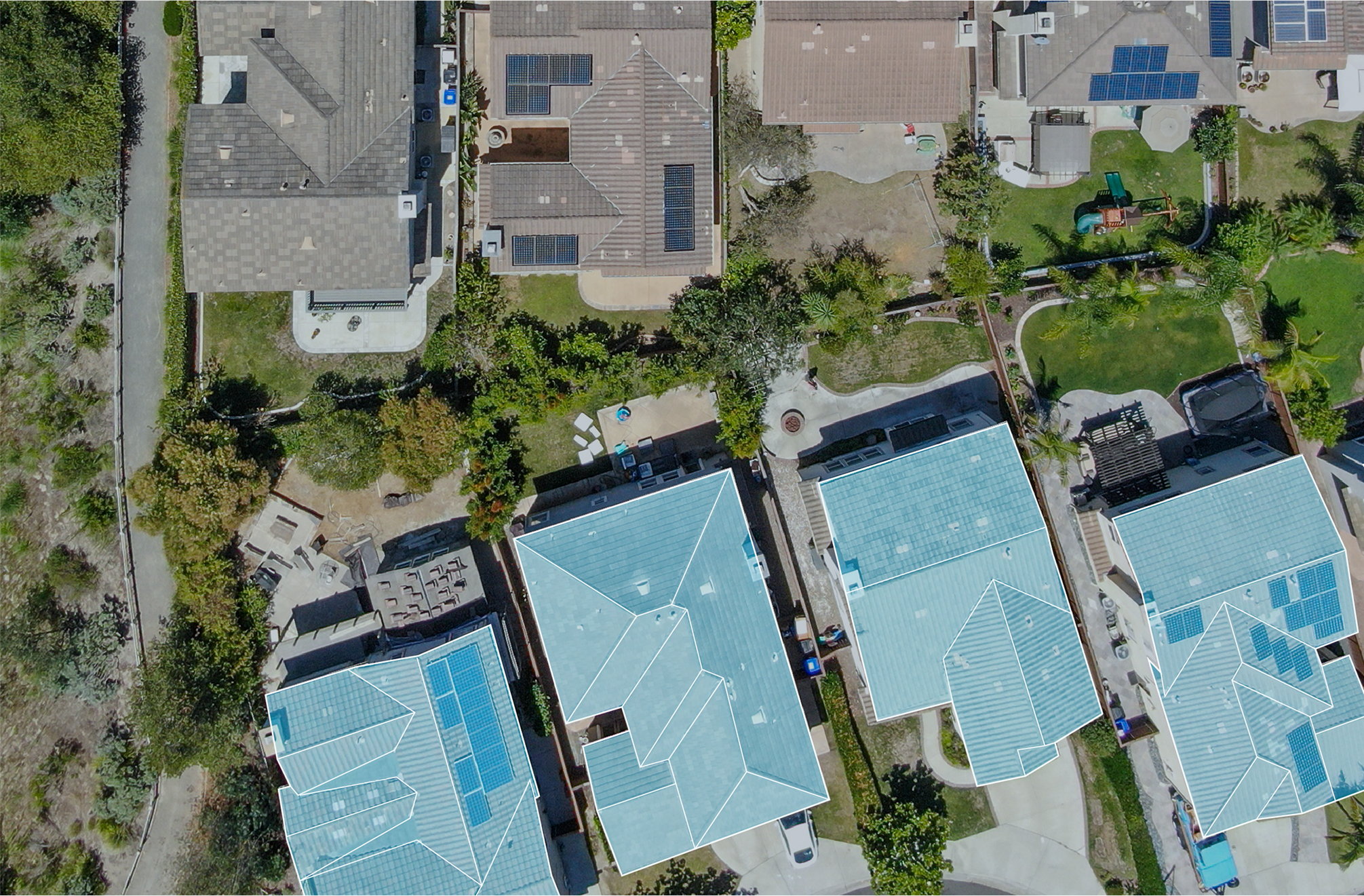
A Year on Your Roof, Visit by Visit
Owners ask what a roof service agreement actually buys them, so here is the honest answer: two scheduled rooftop visits a year, each one timed to what Kansas weather is about to do, each one ending with photographs and a short list of what we fixed while we were up there. No mystery, no filler , this page walks through both visits the way they actually happen.
The Spring Visit: Reading the Roof After the Rough Months
The first visit lands in late spring, once hail season has announced itself. The tech walks the field membrane in a grid and logs anything the cold months opened up , seams that contracted and split, sealant that cracked, fasteners that backed out under repeated freeze-thaw cycling. On metal roofs common along the K-96 corridor, we check panel fasteners and sidelap sealant; on TPO and EPDM, we probe the seams the sun works hardest. Hail strikes get circled, photographed, and measured, because in Wichita the difference between a maintenance note and an insurance claim is documentation made while the dents are fresh. Everything fixable from the kit gets fixed on the spot: laps sealed, boots re-flashed, curbs re-caulked, drains cleared of what the spring storms dropped.
The Fall Visit: Buttoning Up Before the First Snow
The second visit is the pre-snow inspection, and it is the one this climate makes non-negotiable. Snow load is a structural event on a flat roof, and meltwater is a drainage event that repeats for weeks. So before winter arrives we clear every drain, scupper, and overflow so melt has somewhere to go, check the membrane and flashings for any opening that freeze-thaw will pry wider, verify sealant at penetrations while it can still cure in warm weather, and confirm HVAC curb caps are tight before the units run hard all season. A roof that goes into December with clean drains and closed seams comes out of March needing very little , that is the entire logic of the visit.
What Lands in Your Inbox Afterward
Within two business days of each visit you receive the report: photos keyed to a roof plan, what was corrected during the visit, what we recommend and why, and what can safely wait. The reports accumulate into a service history that satisfies the documented-maintenance language in most manufacturer warranties and gives you a defensible record if a hail claim ever goes to an adjuster. Facilities teams at the aerospace campuses use the same reports as their capital-planning input; a twelve-unit strip owner on Kellogg uses them to know the roof is simply handled.
Between Visits, You Are on the Short List
Weather does not check the calendar. When a storm cell tracks across Wichita between visits, agreement holders get priority dispatch, and the crew that responds already knows your roof from the file. Most between-visit calls on agreement roofs turn out small , precisely because someone was just up there closing the openings water looks for.
Service agreement questions, answered plainly
When exactly do the two visits happen?
The first is scheduled in the April-June window after storm season opens, the second in the September-November window before the first snow. We set both dates with you at signing, and we move them if the weather demands it , the point is timing, not the calendar page.
What happens if hail hits between my scheduled visits?
Call us. Agreement holders get priority storm response, and the visit produces the same photographic documentation as a scheduled one , which is exactly what your insurance carrier will want to see alongside the pre-storm condition photos already in your file.
Is the fall visit really that important if my roof is newer?
Yes, and on newer roofs it is the cheapest insurance available. A blocked scupper does not care how new the membrane is: trapped meltwater finds seams, laps, and penetrations. The pre-snow visit keeps the drainage working and the warranty documentation current from year one.
What does an agreement cost, and what is the term?
Pricing follows roof area, system type, and equipment density , a clean 20,000-square-foot TPO roof prices differently than a penetration-heavy plant roof. Agreements run year to year, and the first visit's condition report is yours to keep either way.