
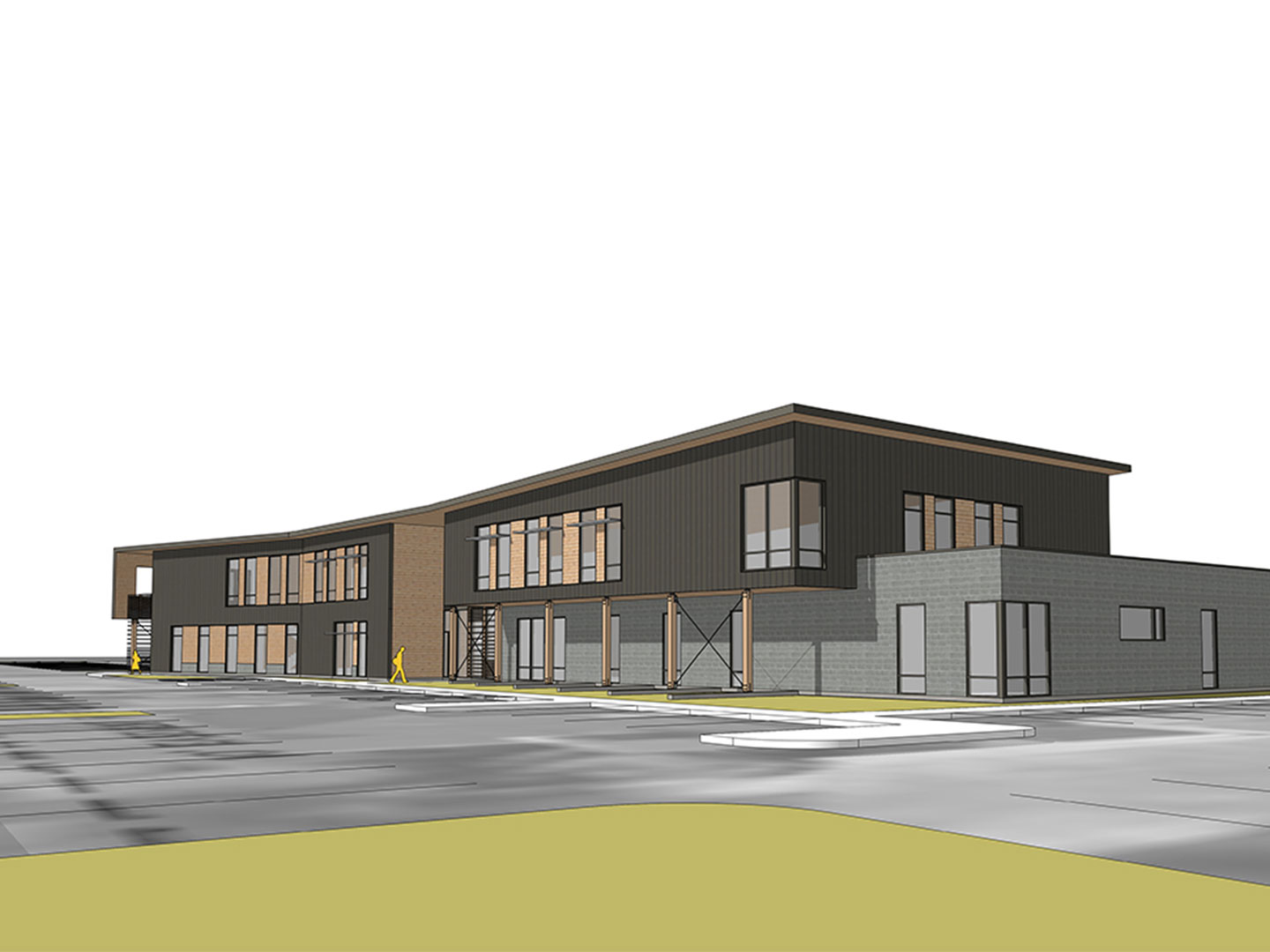
Roofing for Wichita Sports and Recreation Facilities
Recreation buildings keep the hours nobody else wants. Leagues play on weeknights, swim practice fills the pool before sunrise, tournaments take over the weekends, and the holidays are often the busiest stretch of all. That is exactly when most roofing crews would rather not be on a ladder, and it is the first thing we plan around on any rec-facility roof in Wichita. The second thing is the building itself: these are big, long-span structures with intense mechanical loads and, in a lot of cases, a swimming pool quietly attacking the roof from below.
The category is broad in this market. The city's community recreation centers and the YMCA branches anchor neighborhood activity; school and college gymnasiums, indoor sports complexes out along the Kellogg and Rock Road corridors, ice rinks, and aquatic centers each bring their own roofing demands. INTRUST Bank Arena downtown and the venues around it sit at the largest end of the same family. What ties them together is the combination of a wide clear-span deck, heavy occupancy-driven HVAC, and no convenient time to shut the doors.
The Two Hard Problems: Span and Humidity
A gym or arena is built so nothing interrupts the floor, which means the roof deck spans long distances and flexes under wind and snow load. That deflection and the uplift it invites are the same challenge a wide movie-theater roof faces, except a rec building usually adds high interior humidity on top of it. We confirm deck type and run the fastener pull-out calculations for the actual span before we specify attachment. Steel deck at an 80-foot span does not fasten the same as the same deck at 30 feet, and the perimeter and corners, where Kansas wind uplift peaks, get the attention they need rather than a uniform field pattern.
Natatorium and Pool-Hall Chemistry
An indoor pool is the most demanding roof in this category, and the reason is chloramines. When pool chlorine reacts with the organics swimmers bring into the water, it gives off chloramine gas, corrosive vapor that rises into the roof space and eats standard metal flashing, aluminum edge metal, and some membrane adhesives. Over a pool hall we specify stainless or copper flashing where that gas concentrates, confirm the membrane against the manufacturer's chemical-resistance data, and choose adhesives tested for natatorium air. Just as important is the vapor retarder: warm, wet pool-hall air will condense inside the assembly and ruin the insulation if the vapor control layer is positioned wrong for this climate. We run a moisture survey before finalizing any aquatic or high-humidity scope, because recovering over a wet or misspecified assembly makes the problem worse, not better.
Scheduling Around the Programming Calendar
We build the work schedule from the facility's own calendar. Gym and arena roof work concentrates in weekday daytime hours, with a written dry-in confirmed before evening leagues or events begin. On aquatic buildings we coordinate any exhaust or HVAC penetration work with the pool operations team so the air exchange over the water is not disrupted while swimmers are present. Tournaments, swim meets, and holiday programming get worked around, not bulldozed through, and every day ends with the open area watertight before the doors reopen.
Public Procurement and Private Clubs
Many of these buildings are public, city recreation centers, park facilities, and school gyms, which means the roofing contract runs through public bidding, bid and performance bonds, and prevailing-wage rules where they apply. We carry the bonds and insurance for public work in Kansas and know the documentation those contracts demand. Private clubs, fitness complexes, and entertainment venues take a different procurement path but bring their own scheduling knots around memberships and event calendars. We have worked both across the region.
Membranes for Big Recreation Roofs
For large gymnasium and field-house decks we typically specify a 60-mil or 80-mil TPO mechanically attached over polyiso, with the attachment engineered to the real deck and span. The heavier 80-mil membrane stands up better to the foot traffic of frequent mechanical service these buildings need. Over pools, the membrane and every flashing material is chosen for chloramine compatibility first. The structural deck evaluation and fastener specification come as part of the scope, not as an assumption.
Skylights, Daylighting, and Snow Loads
Recreation buildings love daylight. Gymnasiums and field houses are often dotted with skylights or translucent panel systems to cut lighting costs over a court, and aquatic centers frequently bring sun in over the water. Every one of those openings is a curb and a flashing joint, and on an aging building they are usually the first place water finds a way in. We inventory each skylight, check the curb height and the condition of the existing flashing, and re-flash or re-curb them to current standards as part of the reroof rather than leaving a known weak point under a brand-new membrane. Snow is the other seasonal load these wide roofs have to carry. A Kansas winter can drop heavy, wet snow that drifts deep against parapets and high-wall transitions on a long, low gym roof, concentrating load exactly where the structure is most sensitive. We account for drift loading at those transitions, keep crickets and drainage paths clear so meltwater does not pond and refreeze, and detail the high-to-low roof tie-ins to shed both water and sliding snow without overloading the lower field. The same attention applies to ice-rink buildings, where the cold interior and the warm exterior set up a steep vapor gradient that punishes a poorly built assembly.
- Long-span decks evaluated for deflection and uplift before fastener selection
- Stainless or copper flashing and chloramine-rated membranes over natatoriums
- Vapor retarder positioned for pool and locker-room humidity, verified by moisture survey
- Work scheduled around leagues, meets, tournaments, and holiday programming
- Bonds, insurance, and prevailing-wage compliance for public rec projects
- 80-mil membranes where heavy mechanical service traffic is expected
Talk to a Wichita Recreation Facility Roofing Crew
Whether it is a leaking gymnasium, a corroding natatorium roof, or a rec center due for replacement, we will walk the building, survey the assembly for trapped moisture, and give you a plan that fits both the structure and your event calendar. Reach out to schedule an assessment anywhere in the Wichita area.
Roof questions this work should answer
Where is the roof vulnerable?
Drainage, seams, curbs, edge metal, penetrations, traffic paths, and prior repairs should be clear enough to guide the next step.
What has to happen first?
Active water entry, tenant protection, safe access, and storm documentation are handled before long-range pricing is finalized.
How should ownership compare options?
Repair, coating, recover, and replacement choices should be compared against roof age, wet insulation, building use, and the cost of future disruption.